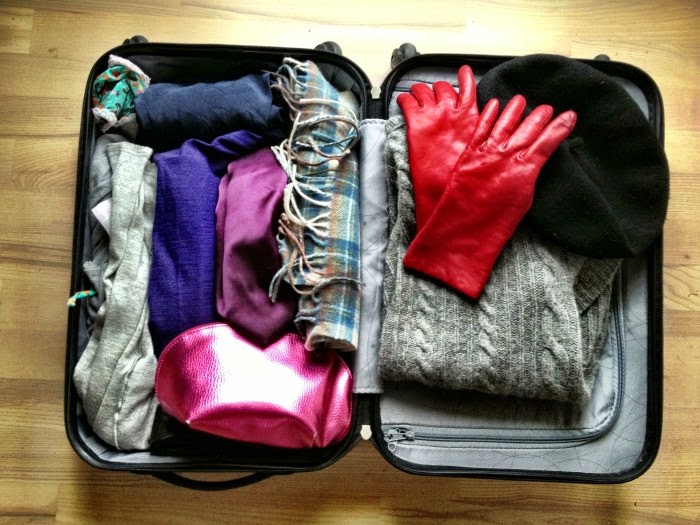
Get the kids outside and moving during winter break with a trip to California. You can take a break from the winter cold by heading to temperate Southern California, or you could enjoy the snowy beauty of the Northern California mountains. Southern California has numerous theme parks and beaches that kids of all ages can enjoy. If your family enjoys outdoor sports, Lake Tahoe is a winter paradise.
Disneyland
You will have a memorable and fun time taking your kids to the "Happiest Place on Earth," as Disneyland is sometimes called. There are two parks: Disneyland and Disney's California Adventure. You can purchase a "park hopper" ticket that will let you visit both parks the same day, but with so much fun to be had at each park, one day for each is well worth it.
Disneyland
Anaheim, CA 92802
disneyland.disney.go.com
San Diego Zoo
San Diego's climate is perfect for the winter getaway. Kids will love exploring the San Diego Zoo at Balboa Park. The zoo calendar updates often with special seasonal events, including sleepovers. Throughout the year, you can take special tours for a chance to experience the animals up close.
San Diego Zoo
2920 Zoo Drive
San Diego, CA
619-231-1515
sandiegozoo.org
Legoland
Legoland California is a 128-acre park full of numerous sculptures made of Lego bricks and geared toward the imaginations of children ages 2 to 12. The park features more than 50 rides for the whole family, shows and fun educational attractions. It is located in Carlsbad, about a half-hour north of San Diego.
Legoland California Resort
1 Legoland Drive
Carlsbad, CA
760-918-5346
legoland.com
Northstar-at-Tahoe Resort
The Northstar-at-Tahoe Resort is a winter getaway for all ages. You will find a fantastic array of 35 different shops and restaurants as well as a 9,000-square-foot skating rink. The resort is open year-round, though skiing on its 92 ski runs over 3,000 acres of pristine mountain terrain is available only during the winter.
Even in the winter there is plenty for visitors to do while in Gettysburg, Pennslyvania. Not only can you see the site of the famous Civil War battle fought near and through the town, but also the town itself, which has grown over the years but has retained its small town, 19th century allure. Gettysburg National Military Park is a popular tourist draw, attracting an estimated 3 million people annually. Winter thins visitor ranks and the town adds charm to the setting.
Things You'll Need Park brochure with auto tour map History Channel guided tour CD or cassette (optional) Warm clothes Binoculars Camera Tips For You Winter Thins the Crowds
Plan ahead. Go online and gather information about the park and surrounding areas. Make reservations for at least two nights at one of the many understated, but comfortable, local motels or bed and breakfasts. You will be taking advantage of winter rates.
Drive to the park early (it opens at 6 a.m. year-round) and plan to stay all day. Go to the visitor center first and pick up a free park brochure with a map of the auto tour. You can also buy a History Channel guided tour CD or cassette. Two- and three-hour tour versions are available. Signs along the park's drives are in sync with the History Channel tour package and direct you to the next part of the tour. Other options are bus or shuttle tours or hiring a tour guide who will drive your car and describe the battle as you go.
View the movie "A New Birth of Freedom" (narrated by Morgan Freeman) while at the visitor center. It provides a good review of the battle and aftermath. Next, see the fully-restored Gettysburg Cyclorama with its dramatic depiction of Pickett's Charge, the culmination of the three-day battle.
Drive the tour, heading to Little Round Top, site of the stand by the Union's 20th Maine. It's popular with visitors (thanks to the movie "Gettysburg"), so see it first. Next, go to Cemetery Ridge, the Union position that was the conversion point of Pickett's Charge. From there, drive the remainder of the tour. Bundle up if weather is cold, park your car and get out to experience some of the sites.
Visit the town's wide variety of shops, including Civil War stores, and museums. During the holidays, an elegant Christmas tree decorates the square. The town is known as one of the 10 most haunted places in America so check out the available tours, if you are so inclined. Haunted places you will want to see include the Jennie Wade House and Gettysburg College.
When you are taking a long driving trip during the winter, it is best to be prepared for any emergency. Across different areas of the country, you may experience winter weather ranging from rain to snow and ice. Getting stranded in severe weather systems can often be prevented by checking the road conditions and weather forecast for the areas you are traveling in ahead of time, but even the phone-in road condition numbers for each area are not always accurate, You can be hit with a sudden dangerous weather front and it is a good idea to travel with supplies in case of bad weather. Plan ahead and be safe.
Things You'll Need
First aid kit
Personal medications
Blankets
Pillow
Warm clothes
Warm shoes
Gloves
Hat
Scarf
Jacket
Change of clothes
Extra socks
Towels
Food
Liquids
Bottled water
Themos of hot drink or soup
Flares
Flashlights
Matches
Heavy leather work gloves
Snow chains
Coilapsible shovel
Emergency road sign
Cell phone
Car cell phone charger
Maps
Addresses
List of emergency numbers
Pad of paper and pen
Tips For You
Make sure you have a first aid kit in your car. Also, carry any personal medications you need with you. If you get stranded somewhere and need to take daily meds, you don’t want to be stuck without them.
Pack blankets and a pillow. This bedding will help to keep you warm in an emergency. You may not be able to keep your car heater running, so you need to be able to stay warm. The car will protect you from the direct elements but the temperatures may drop to below zero, so you'll welcome the extra protection.
Wear warm clothes and shoes. Bring along gloves, a hat, scarf and a change of clothes, especially socks. If you have to be outside at all if you get stranded, you don’t want to be wearing wet clothing that will dangerously lower your body temperature. Bring towels to dry off with if you get wet.
Bring food and liquids with you, including bottled water. Make sure there is enough to last you at least 3 or 4 days, in case you get stuck somewhere. Pack a variety of food, such as fresh fruit, sandwiches, hard boiled eggs and dried goods like nuts, dried fruit, pretzels and so forth. Bring a couple of thermoses full of hot coffee, soup, cocoa or tea.
Be prepared for emergencies. Make sure you have flares, flashlights and matches and even toilet paper. Bring a pair of heavy leather work gloves with you for changing tires, putting snow chains on or digging in the snow or mud. If you are going into snowy areas, bring the correct sized chains for your car and pack a collapsible snow shovel. They don’t take up a lot of room and you can dig yourself out of the snow or free your tires from snow drifts if needed. Also, carry an emergency road sign that you can stick in your car window if you get stuck somewhere.
Keep your cell phone with you and make sure it is fully charged. You can buy a car charger for your cell phone and keep the phone plugged in while you drive. If you get stranded somewhere and the car won't start, use the cell phone sparingly to call for emergency help and to let people know where you are. You may hit areas where cell phone access is not an option. Be aware there many areas of the country where the cell phone won’t pick up a signal.
Bring along all necessary paperwork, like maps for any route you are taking, addresses and phone numbers, such as to your insurance company, family members, emergency contacts, local highway patrol and road access numbers. Let someone know where you are going and which routes you are taking before you leave. Also, keep a pad of paper and a pen handy and bring cash and credit cards.
A winter trip to Italy will be one you'll always remember. Since you will be avoiding the tourist season, you will find lower airfares, cheaper rates at hotels and shorter lines at museums. That said, dressing for winter travel can be challenging, especially when you take into account that the Italians like to dress up for any occasion. Avoid being labeled as a tourist by steering clear of backpacks and torn jeans. Italians enjoy wearing black garments, so you might want to take that into consideration. Of course, your choice of clothing will also depend on your destination in Italy.
How to Dress for an Italian Ski Resort
While skiers and snowboarders at your local American ski resort might make fun of expensive Bogner one-piece ski suits, they are quite common at Italian resorts. In fact, it's not unusual to see people using outdated gear but stylish ski outfits. Additionally, Italians tend to dress up for apres ski. Even in resorts such as Bormio, which is not considered an upscale ski area, you will see women walking through town wearing fur coats. While this is not always practical for travelers, you might want to bring along a long and more stylish coat to change into for apres ski.
Women's Styles in Winter
Winters in the northern Italian cities can be cold but tolerable. Daytime temperatures hover around 35 to 40 degrees F. Women can stay warm and look stylish by wearing velvet pants, long low-heeled boots, wool or velvet gloves and a chic but warm hat. A shawl thrown over a long coat completes the look and adds warmth.
Men's Styles in Winter
Men have a bit more leeway in terms of style. Jeans are acceptable for them, along with a dark turtleneck worn under a wool sweater. Italians specialize in attractive walking boots for men, so you might want to buy some while you're there.
Sleepwear
If you are staying at an older hotel, the heating might be less than optimal. As such, bring along warm pajamas, long underwear and a pair of long socks.
Dressing for Southern Italy
The South of Italy, such as Sicily and the Amalfi coastline, is warmer in the winter. Daytime temperatures average at 54 degrees F. Both men and women should bring comfortable walking shoes and a lightweight jacket. Women can bring along a shawl to throw over the jacket, in case the weather gets colder. Men can bring a sweater to wear under the jacket.
New York City has a unique charm in the wintertime. During the Christmas season, the city is alive with holiday cheer. Winter can also bring a beautiful dusting (or blanket) of snow, giving New York a fresh, clean look. Bundle up the kids and visit the Big Apple for some fun winter excitement.
Things You'll Need
Walking shoes Camera
Tips For You
Arrange transportation from the airport. There are three major airports in and around New York City. If you will be taking an international flight, you will probably fly into John F. Kennedy International Airport, which is located in Queens; or you might fly into Newark International Airport, which is in Newark, New Jersey. Newark also handles domestic flights and is less crowded than JFK Airport, but you'll need to travel a bit further to get to New York City. LaGuardia Airport, also located in Queens, is another option.
Take advantage of the public transportation once you get into the city. The subway system will get you just about anywhere you need to go. You can also take the bus or a cab to get to your destination.
Book lodging. New York City has several hotels that cater to families traveling to the Big Apple. The Doubletree Times Square is great for its convenient location and kid-friendly amenities. Cribs and strollers are readily available, and guests can even request a child-proofed room. Rooms are equipped with Sony Playstations, and kid-friendly food items are available for room service. The Hilton Times Square is also in the heart of the New York City bustle. The rooms are high up (the lobby is on the 21st floor) and offer great views of the city. The hotel is a part of a mega-entertainment complex. Visitors might want to catch a flick at the 25-screen movie theater or visit the wax museum. Shopping and restaurants are also available.
Visit the museums. When the cold winter winds blow, families with children may want to experience New York--inside. A favorite attraction for young and old is the Museum of Natural History. Kids will enjoy walking among the prehistoric giants found in the dinosaur halls. If the kids get hungry, take them to the museum food court. Another museum to visit is the Children's Museum of Manhattan, which has five floors of hands-on activities, based around book or TV themes.
Go ice skating. Ice skating in New York City is a favorite activity for visitors, as well as the locals, during the winter months. If you happen to be visiting during the Christmas season, and don't mind the crowds, try the Rockefeller Center's ice skating rink. Decked out in holiday decorations, and shadowed by the famous Christmas tree, it's a festive place to skate. If you want the fun of ice skating without the crowds, you can go to Bryant Pond. The admission is free, but there is a charge for skate rental.
Go shopping. Shopping in New York City is an experience that's hard to find anywhere else. For instance, the Toys R Us in Times Square has an indoor ferris wheel, a 34-foot animatronic Jurassic Park T-Rex and a life-size Candyland board game--complete with candy. Girls will want to visit the American Girls Place, which not only has the famous American Girl dolls displayed, but also a cafe and a live musical theater.
Experience the holiday season. New York City really does the Christmas season in a big way. If you will be traveling during Christmas time, make sure you see the window displays at Macy's, Saks Fifth Avenue, Lord & Taylor and other window fronts. Take the family to see the famous Rockettes, and the giant Christmas tree at Rockefeller Center.
Alaska is the farthest north state in the United States, and also the coldest. The Alaska Highway is nicknamed the Alcan Highway, and is a 150-mile stretch of two-lane highway that is maintained by the Alaskan Government. Despite constant supervision, the extreme heat and cold of Alaska can wreak havoc on the asphalt and cause portions to become less than stable. If you're planning to drive in the winter, you'll also have bad weather, constant night, and dangerous driving conditions to deal with.
Things You'll Need
Emergency Roadside Kit
Winter Tires
Vehicle with 4-Wheel Drive (optional, but recommended)
Tips For You
Plan your trip. This includes locating lodging, figuring out what roads to take and finding a suitable vehicle for the trip. Due to the extreme cold and snowfall that may occur during an Alaskan winter, you're going to want a vehicle with 4-wheel drive to help you through the rough patches. Plan to be gone for a few days, as the entire trip from Dawson City, British Columbia to the Delta Junction, Alaska, is 1390 miles. Out West Newspaper estimates the trip will take 7-10 days, more if you want to ice fish, hunt, or hike.
Learn winter driving techniques. The best way to avoid an accident is to be prepared. You need to be comfortable driving in blizzards, getting your vehicle out of the ditch should you slide in, and how to respond when you hit a patch of black ice. Black ice is ice that has frozen onto the road in such a thin lair that you're unable to see it, but is thick enough that it will prevent you from having any kind of traction.
Prepare for constant night time. Due to Alaska's geographical position, winter consists of nearly constant night. If you do see the sun, it will only be in the sky for an hour or two at the most. Be prepared to go a 10-day stretch without sight of the sun.
Inspect your vehicle and get an oil change. The highway can be desolate in the winter, with long stretches between cities. Make sure your vehicle is prepared for the trip with the appropriate levels of brake fluid, anti-freeze, and an emergency roadside kit.
Pack warm clothes. With no sun to heat up the wilderness, Alaska gets cold and stays cold. Wool is recommended over cotton, because if cotton gets wet it has no insulation value and will only serve to keep you cold. Wool dries quickly and provides insulation.
Consider purchasing a book like "The Milestone" in the resources section below. A guide to Alaska can be indispensable as you travel across the state.
Invest in a good emergency roadside plan. Mechanics are scarce--estimated at every 100 miles. Tow truck companies may charge five dollars per mile or more.
Get to Alaska. Many people attempting to make the trip fly up to Seattle, rent a car, drive north through British Columbia and enter Alaska that direction. They exit on the coast, taking a ferry back down to Seattle.
Let people know where you're going and how long you'll be gone. Make sure to check in with people during your adventure so they know that you're safe.
Winter camping in a travel trailer is fun and inexpensive. Unless you are traveling to ski resorts, the price for camping space in winter is deeply discounted. Many areas close for the winter, so check before you set out to be sure the campground of your choice is open. Ask for discounts when you call.
Systems Check
Before setting out for winter camping, check over your travel trailer. Check the heating system to be sure it is operating correctly. Run the heater on propane, battery and electric power. Fill the fresh water tank. Run all of the faucets and flushable toilets to see that the pump is operating well. Check the hot water heater on propane, battery and electricity power options. Run the hot water to make sure all three systems work. Fully charge all batteries, top off with water if necessary. Fill all propane tanks. Check stoves and microwaves to see that they are working properly.
Insulation
Measure the outside perimeter of the travel trailer. Then measure the space from the bottom of the trailer to the ground. Purchase enough insulating foam panels to completely enclose the open space under your camper. Take these panels with you. Make a foam panel that fits into the air conditioner vent and the fan vent in the camper. Bring this with you when winter camping.
Interior
Change out regular curtains to insulating curtains. Bring additional blankets or quilts. Add self-heating mattress pads to all mattresses.
Packing
Pack extra hats, gloves, coats, socks and boots for everyone. Depending on your destination, bring ice-fishing gear, snowshoes and cross-country skis. Always bring a camera. Have a GPS system installed in your car or bring a handheld device with you. Always have a cellphone available.
Destinations
The Southeast United States has mild winters. This is a great time to visit state and national parks in this area. Keep up with the weather as ice storms are common in the South. The desert Southwest is another great destination for winter campers. The desert gets cold at night, but daytime temperatures are cool and pleasant. The Northeast has many ski areas and winter destinations. Winter camping in New York's Adirondack Park offers plenty of activities. Niagara Falls is cold but beautiful in winter. The West Coast offers mild winters and snow covered mountains. Check before heading across any mountain region. Roads might close suddenly because of storms, ice and snow.
A little preparation can seriously reduce the chances that you'll end up stuck on the road in awful conditions.
Things You'll Need
Power Steering Fluid
Triangle Reflectors
Children's Books
1 Or 2 Warm Blankets
Antifreeze
Car Trash Bags
Small Shovels
Windshield Wiper Fluid
Wire Brushes
Bottled Water
Baking Soda
Kitty Litters
Roadside Emergency Cards
Paper Towels
Emergency Flares
Automatic Transmission Fluid
Booster Cables
Brake Fluids
Flashlights
Tire Chains
Tire Gauges
Child Safety Seats
Paper towels
Tips For You
Check weather and traffic reports; most states have toll-free numbers you can call for both of these.
Get a full-service tuneup (recommended at 30,000 miles, 60,000 and so on). Bring your car in for service at least a week or two before you plan to leave - don't wait until the day before.
Check your car battery terminals for corrosion. Terminals can be cleaned with a wire brush dipped in baking soda and water.
Have the battery "load tested" if it's more than 4 years old. Cold weather greatly decreases a battery's ability to hold a charge - a weak battery may give up in very cold weather.
Inspect your tire-tread wear and maintain the proper air pressure indicated in your owner's manual. Replace worn or old tires. Install snow tires or all-weather tires if driving in snow. Some places (such as many mountain passes in the Sierra and Rockies) require tire chains in heavy snow. Purchase chains to keep in your trunk - and know how to install them beforehand.
Examine all belts and hoses to make sure there are no cracks or leaks.
Check your antifreeze strength in the radiator overflow reservoir with a hydrometer. The antifreeze should be clean, up to the proper level, and strong enough to provide protection at 36 degrees below zero F.
Replace the coolant and/or flush the cooling system if this hasn't been done in the last 15,000 miles.
Check all the car's fluids: oil, coolant, brake fluid, power steering and automatic transmission fluid (if applicable), hydraulic clutch fluid (if applicable).
Keep your washer-fluid reservoir filled. Use windshield washer fluid that has windshield antifreeze in it, not just water.
Replace your windshield wipers if they're split, cracked, streaking or skipping.
Be certain your headlights, taillights, brake lights and turning signals work, and replace bulbs as necessary.
Pack one or two warm blankets in the trunk of your car.
If you're traveling to an area with snow, bring a small shovel and kitty litter in case you get stuck in the snow.
Ask your local police or sheriff's office to check your home while you're away.
Stop once every two or three hours, especially if you're driving with children.
Bring a map of your destination as well as maps that show the best way to get there. Many auto insurance agents offer free maps, or you can purchase them at gas stations and convenience stores.
Across most of the United States the winter months of December, January and February are typically the coldest; therefore, packing for a trip can be a difficult task. The Midwest and Eastern regions of the country typically experience severely cold winters, whereas the western and southern states can enjoy much more milder weather. A good idea is to follow the weather patterns of the area you plan on visiting one week before your departure date as this can give you a better idea as to the type of winter clothes you need to pack.
Parkas, Jackets and Coats
The National Oceanic and Atmospheric Administration reported that in the 2008 to 2009 winter season the average temperature of the United States was approximately 33 degrees Fahrenheit. When traveling in the wintertime don't forget to pack a parka, jacket or coat.
In 2010 the average winter temperature for Midwestern states such as Colorado, was around 27 degrees Fahrenheit. If visiting areas within the Midwest, pack a heavy winter coat that can withstand arctic breezes and is waterproof. Heavy winter coats can allow you to participate in outdoor recreational activities and sightseeing opportunities while remaining comfortably warm.
If considering visiting southern states such as Florida, keep in mind the average temperature is around 73 degrees Fahrenheit. Although a heavy coat, jacket or parka is typically not needed during the day, nighttime temperatures can fall down to the low 40s. For most western states, such as California, parkas and jackets can usually suffice during daytime hours.
Shirts
When traveling in the winter months, pack at least one long-sleeve shirt for each day of your visit. When in states that experience arctic temperatures, long sleeve shirts can provide extra warmth and padding under sweaters and heavy coats, protecting you from the fierce low temperatures and winds.
Long-sleeve shirts in states that experience mild winters can suffice during daytime temperatures. For warm states, such as Florida, short-sleeve shirts and T-shirts can also come in handy during the daytime when temperatures reach around 78 degrees Fahrenheit and you are relaxing on tropical beaches.
Sweaters
For recreational enthusiasts that enjoy activities such as skiing, ice-fishing and sledding, sweaters can provide extra warmth when tackling the slopes. Packing at least two sweaters will ensure that you can stay dry if caught in the rain or snow by having a backup.
If you are exploring the vineyards of the Napa Valley in California, a sweater can possibly suffice during daytime temperatures that average approximately 68 degrees Fahrenheit.
Shoes
Shoes are extremely important when packing for winter travel as you will need to select ones that can withstand possible wet and slippery surfaces. For winter hikers, consider packing boots that are steel toed and provide ankle support. When hiking in the winter months you may experience slick and wet surfaces on different tracks.
For other areas of the country that are milder, tennis shoes may suffice; however, be mindful of areas that experience more rain, such as California, Florida and Arizona. If visiting areas that experience wet climates, boots can be the most comfortable as they can keep your feet dry.
Undergarments
Although you must pack underwear and socks for daily use, think of other undergarments that may make you more comfortable when visiting colder climates. "Long Johns," thermal underwear and tank tops can provide additional warmth when skiing or participating in other winter recreational activities.
Accessories and Sleepwear
Purchasing accessories can make winter travel fun. Style your clothes with accessories such as scarves, gloves, hats or earmuffs. Not only can these items provide you with additional warmth when exploring outdoor areas, they can also demonstrate added style and definition to your regular clothes.
If you are not used to sleeping in colder weather and want additional warmth while sleeping, pajama and nightgown sets can be packed.
The Western Europe maritime climates in Luxembourg, Ireland, Holland, France, Britain and Belgium stay relatively warm, though wet, during the winter months. In eastern France and on towards the Alps it can get quite cold, while staying mild on the Mediterranean shores to the south. When packing for a trip to this area in winter, pack light, carrying enough to stay comfortable in such a diverse winter climate.
Things You'll Need
Bag or bags of choice
Clothing that is appropriate for your plans
Money belt
Money
Passport and other identification
Tips For You
Pick a bag such as a back pack or roller-bag that is easy to carry, even going with a single carry-on. Lugging a bunch of things you might use once is a waste of space, when part of the fun of traveling is buying things there.
Figure out where you are going and what activities you hope to do. Depending on where you are going, you may need rugged or perhaps light weight clothing.
Find dual-use clothing, items that can be worn for multiple occasions like khaki slacks, jeans or t-shirts. Western Europeans accept informally dressed people well. Light-weight, water-proof hiking boots will prove to be sufficient for most outdoor touring while still fitting in at most places you might find yourself stopping in or dining at.
Fold everything neatly. Things that are wrinkle resistant, such as t-shirts or socks can be rolled tightly to save space. Placing clothing in zipper-style plastic bags and squeezing all of the air out as you close the bag also saves space.
Keep important documents and traveler's check in a money belt. Even if you lose all of your luggage, you can keep on going if you keep passports, visas and money in one of these belts.
Winter camping in a travel trailer involves winterizing the vehicle so that the pipes and water supply do not freeze and insulating the trailer to stay warmer. Materials are available that help keep the trailer functional during cold or subfreezing temperatures so that you can continue to enjoy camping or vacations throughout the season.
Things You'll Need
Pipe heat tape
Antifreeze
Water tank heater
Skirting or foam core board
Plastic or bubble wrap
Tips For You
Clean the trailer thoroughly, especially in the cooking area. Make sure that no food crumbs are in the cabinets or on counters since rodents find entries into trailers to eat since food resources are scarce outdoors in the winter.
Wrap the water pipes with heat tape that will keep the pipes from freezing in subfreezing weather. Besides the heat tape, you can also find water tank heaters that look like small heating pads you can lay on top of your fresh water tank to keep it from freezing.
Put nontoxic antifreeze in the black or grey holding tanks to keep the waste from freezing. When staying in an RV park, check with the office to see what kinds of antifreeze they allow. Some jurisdictions regulate the kinds of antifreeze that people can use since toxic chemicals can be a source of water pollution.
Cover the windows with plastic or bubble wrap. You can use masking tape to hold the tape to the windows. A surprising amount of energy transfers through windows. Bubble wrap is also an effective way to insulate the doors and windows of travel trailers, especially if you use the wrap that has one-inch bubbles. Cut the bubble wrap to fit the window and doors and dampen the surfaces with a spray bottle of water or use a wet cloth. Place the bubble wrap, bubble-side facing the glass, against the window or door, using your hands to stick the wrap to the surface.
Use foam board or heavy fabric to enclose the base of the travel trailer when temperatures are well below freezing or if you are going to spend days at a time using your travel trailer in the winter. Cut the foam or fabric to fit the distance from the ground and the base of the trailer. You can attach the foam or fabric to the trailer using wide masking tape. If the weather is windy, anchor the bottom of the protective cover using bricks or other heavy, dense objects. You can also use commercially available skirting for your camper.
Run your vehicle's engine at least once daily to keep the auxiliary batteries for the travel trailer and the towing vehicle fresh. Cold weather depletes batteries.
Yes, everything you've heard about wind-chill and extreme temperatures is probably a gross understatement, but the beauty of Alaska in the winter is worth it. Plus, fares are lower and camping spots easier to come by.
1. Northern Lights
Northern lights or aurora borealis appear year round but they cannot be seen when the sun shines, as it does night and day during Alaskan summers. The velvet night sky is perfect for showcasing the display, and central Alaska -- directly under the auroral oval -- is the best place in the country for viewing this natural wonder. Locals say November takes top prize for viewing, but any month between October and May presents possibilities to glimpse a stunning display. Head north out of Fairbanks to avoid the interference of city lights. Many hotels offer northern-lights wake-up calls to alert you when the show starts. Green light is most common but you might also glimpse yellow, red, blue or purple.
2. Dog Sled Races
If baseball is America's sport, dog mushing is Alaska's. It's a tradition in the Great Land, where dogsleds were common transport in the bush communities before the era of snow-machines. But it's also an obsession, evidenced by the immense popularity of the 1,150-mile Iditarod dogsled race from Anchorage to Nome every March. Even if you come as a race spectator, don't hesitate to experience the rush of the mush for yourself. Sign up for an afternoon dogsled outing or, better yet, spend a week in a guided sled-packing trip to the bush. Either way, winter's the only season for an Alaska dog-sledding adventure.
3. Hot Springs
Hot springs are always gloriously decadent, but never more so than when ambient temperatures drop well below zero and snow drifts pile high as goose-down quilts. The hot spring water is heated deep within the earth; it seeps to the surface through bedrock cracks here and there around the state. Interior Alaska's hot springs range from remote, Kanuti Hot Springs on the Dalton Highway (hike in and out on narrow trails) to the international mecca of Chena Hot Springs north of Fairbanks, where the well-heeled from around the world sprint in bathing suits across frozen ground from changing booths to a 142 degree Fahrenheit pool. Chena offers visitors cabins or hotel rooms and dining facilities, as well as a prime viewing location for the northern lights. The more adventurous try Manley Hot Springs on the Elliot Highway, offering excellent springs at a very low cost, plus basic accommodations in the village.
4. Aurora Winter Train
The Alaska Railroad runs its popular trains from Anchorage to Fairbanks all year round, but the full-day trip turns into a gorgeous adventure when the ground is covered with snow. The Aurora Winter Train chugs back and forth on weekends from September through mid-May, allowing passengers to embark or debark at stops along the way, including Talkeetna, Denali National Park and Nenana. Reserve in advance online or by phone so that you won't be disappointed. You'll press your nose to the window much of the time as you slip through the serene, snow-covered Alaska interior, but when hunger strikes, head to the dining car for breakfast, lunch or dinner.
5. Denali National Park
Denali National Park attracts hordes of summer visitors, but winter in the park is a special treat. Winter camping in Denali is free, whether you opt for Riley Creek Campground near the park entrance or hike back into wilderness. The rangers open areas of the vast park to snowmobiling, cross-country skiing and dog mushing, exciting adventures all when set against such a backdrop. Find out what else is going on by visiting the Murie Science and Learning Center; it functions as the winter visitor center. It you're up north in February, don't miss the three-day Winterfest Celebration, with food, music, and cool demonstrations like ice-sculpting, dog mushing and nature photography.
6. Glacier Climbing
Visit Wrangell-St. Elias National Park and Preserve to discover more glaciers that you can climb in a lifetime. The 13-million-acre gem of a park, located east of Anchorage along Alaska's border with Canada, is a great spot for a guided ice climbing adventure; but it's not the only option in a state with some 100,000 glaciers. Impassioned ice climbers even scale frozen waterfalls near Valdez for extra thrills. You'll need equipment including crampons, harnesses and picks, and a good guide if you are inexperienced. Prepare yourself for blue ice; glacier ice is so densely compacted that it absorbs most colors, leaving the surface below your feet a stunning sapphire blue.
7. Skiing
With so much snow for so many months, it's no surprise that Alaska offers exceptional skiing in areas of pristine beauty. Traditional folks might prefer traditional ski resorts like Girdwood’s Alyeska Resort near Anchorage or Juneau’s Eaglecrest Ski Area. But that's just the beginning of the possible. Explore local lifts like those at Moose Mountain in Fairbanks, or try backcountry skiing at Thompson Pass near Valdez. Even more exciting, get the double rush that comes from heli-skiing in Valdez and Cordoba in the south or Juneau and Haines in the southeast. You can strap on cross-country skis virtually anywhere in the state during snowy months and write your own adventure. If that seems a step beyond your ken, Anchorage’s Tony Knowles Coastal Trail offers groomed cross-country trails.